

Energy Generation & Storage
- Organic & Perovskite Photovoltaics: Thanks to their lightweight, flexible, and potentially low-cost nature, OPV devices can be seamlessly integrated into a wide range of surfaces, from building facades and windows to portable and wearable devices. The ability to tune active materials and device architectures allows modular designs that can be customized in color, shape, transparency, and spectral response, optimizing performance under natural sunlight, diffuse light, or indoor artificial illumination. Indoor OPV has emerged as a strategic application domain, enabling efficient energy harvesting from artificial lighting for sensors, wireless devices, and the Internet of Things (IoT). Indoor devices optimized with NFA-based active layers, combined with advanced interfacial layers and electrodes, have demonstrated power conversion efficiencies exceeding 30 % under typical ambient lighting conditions, making them highly suitable for low-power electronics in residential, office, and industrial environments.
Perovskite solar cells (PSC) have revolutionized the prospects of next-generation PVs, with an unprecedented pace of development. Over the past years, they have attracted tremendous interest from the scientific community due to their skyrocketing light-to-electric power conversion efficiencies (PCE). In just sixteen years of PSC research, PSC efficiencies have risen from 3.8% to 27%, nearly matching the maximum efficiency attained by Si heterostructure-based cells (27.8%) However, these record efficiencies were obtained on small laboratory-scale devices (active areas below 1 cm2).

OPV Architectural Integration
glass-glass façade installation, façade integration on an office building, and skylight installations in a shopping mall
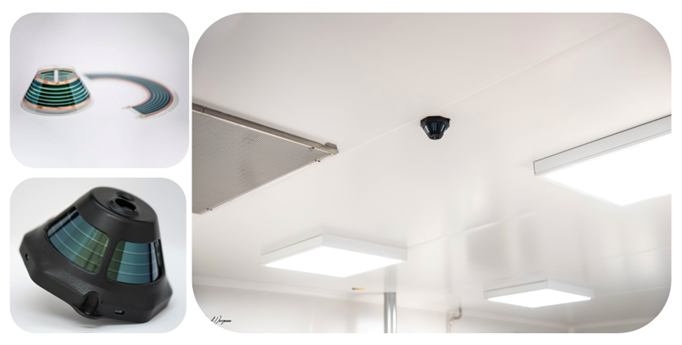
Smart Building PIR Sensor
OPV module printed as a flat circular sheet and assembled into a cone, integrated into a 360° smart building PIR sensor, and installed on a living-space rooftop where full light exposure maximizes performance under all lighting conditions

OPV Panels Embedded in a Sail
- Flexible Batteries and Printed Supercapacitors: The Internet of Things and associated electronic applications (e.g. wearables, remote smart sensing…) has continued to grow, based on ubiquitous smart objects, where the electronic functionality must blend in and mobility is of high importance. In such applications, power supply remains a key issue. Batteries and supercapacitors are essential system components for these applications, either as a primary source of energy or interim source in case of self-powered devices.
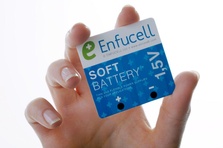
Printed Primary Battery
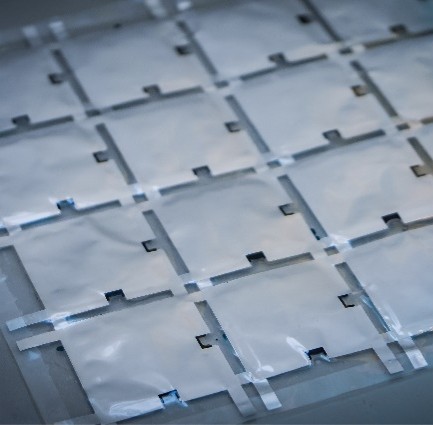
Printed Supercapacitor
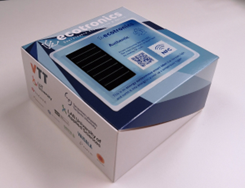
Energy Autonomous Temperature Logger
- Fuel Cells: Fuel cell technology is a promising candidate for local storage and power generation. Indeed, it allows to store energy in the form of H2 form and to locally generate electricity. Proton Exchange Membrane Fuel Cell, which is the fuel cell technology that dominates the market today. Two main application areas of the Proton Exchange Fuel Cell Membrane (PEMFC) is Mobility and Stationary (energy supply for industry, data centers, events and outdoor operations, hospitals).
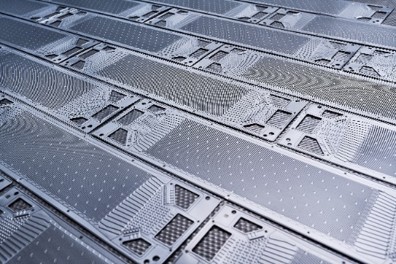
Bipolar Plate
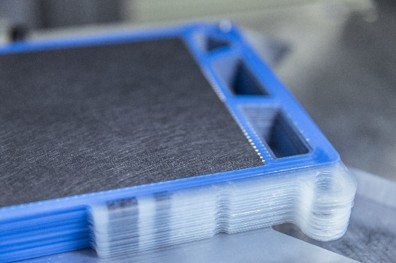
MEA
- Active Devices:
- Transistors, Circuits & Diodes: Transistors are a key component of many electronic devices, including RFID, NFC or OTFT (Organic Thin Film Transistor) backplanes for displays, and are the most basic component for switching elements or integrated circuits.
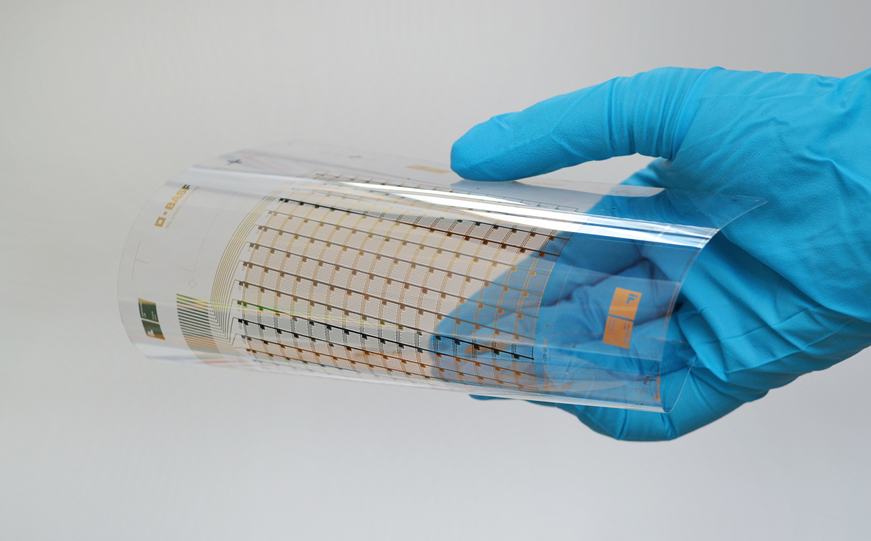
Printed Pressure Sensors Attached to the Transistor Backplane

Flexible Integrated Circuit (FlexIC) Technology
- Memory: Printed memory is primarily utilized in fully printed systems. While silicon remains superior to printed memory in terms of cost per bit, printed solutions can provide a distinct advantage for applications requiring only minimal data storage. Specifically, printing enables a unique cost-to-functionality ratio, resulting in a significantly lower cost per tag compared to conventional silicon chips.
- Passive Devices
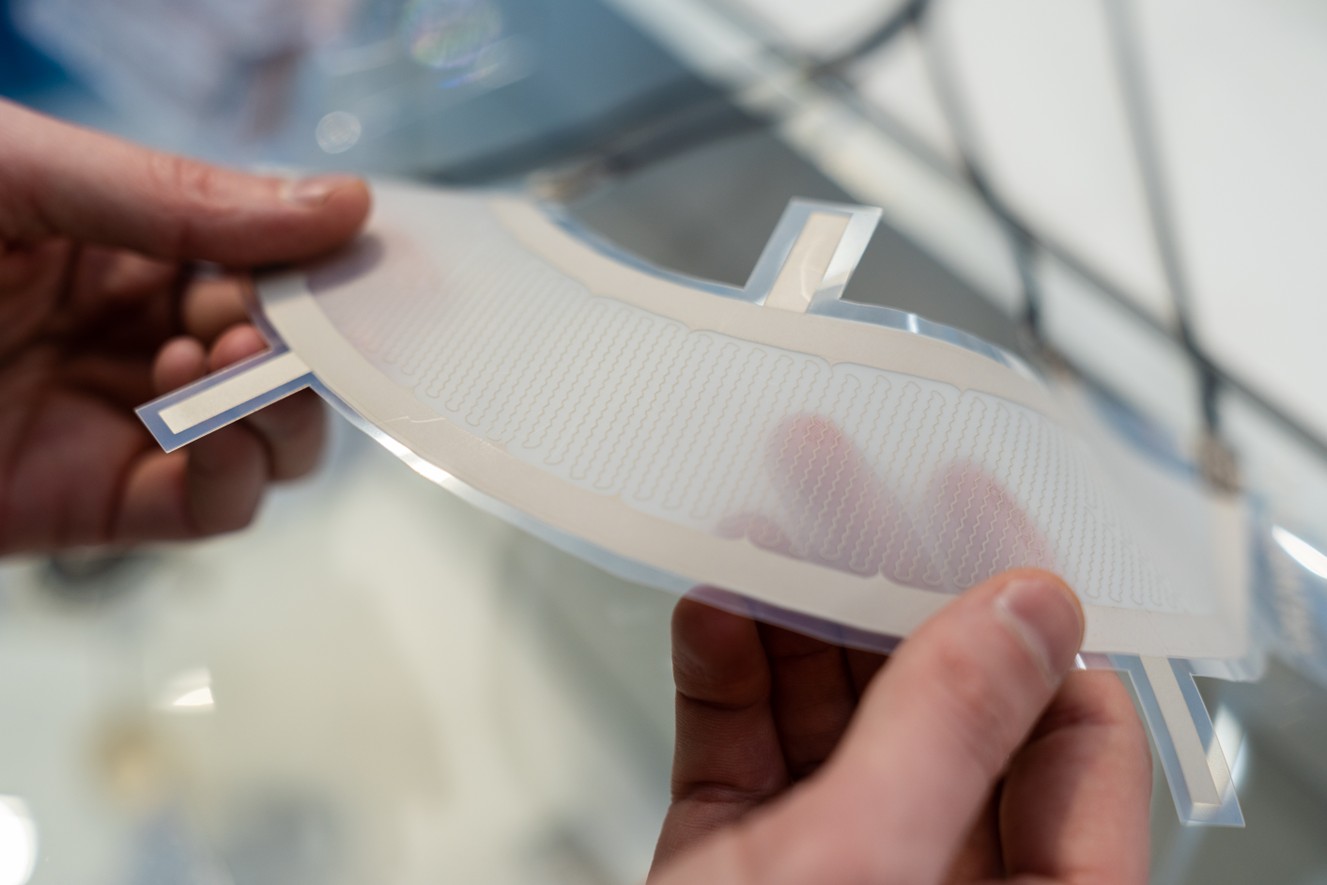
Flexible Heater

Silver Lines Heating Element